
In today’s digital era, numbers often hold the key to vast worlds of information and connectivity. One such digital code that has caught the attention of many tech enthusiasts and professionals alike is 203.160.175.158.14001. This combination of numbers might look like a random IP or port address, but it often plays a role in defining how data, systems, and networks communicate in the digital sphere. In this article, we will dive deep into the meaning, importance, and potential uses of 203.160.175.158.14001, exploring its place in the larger framework of internet technology and network systems.
What is 203.160.175.158.14001?
At first glance, 203.160.175.158.14001 appears to resemble a combination of an IP address and a port number. In networking, IP addresses like 203.160.175.158.14001 help identify devices connected to a network, while port numbers, such as “14001,” are used to specify particular communication channels or services on those devices.
For example, a web server may use a specific IP address and port combination to deliver content securely to users. Therefore, 203.160.175.158.14001 could represent a gateway through which data, services, or web applications are accessed. Understanding this format allows professionals in IT, cybersecurity, and digital infrastructure to diagnose connections, troubleshoot issues, or even set up secure systems.
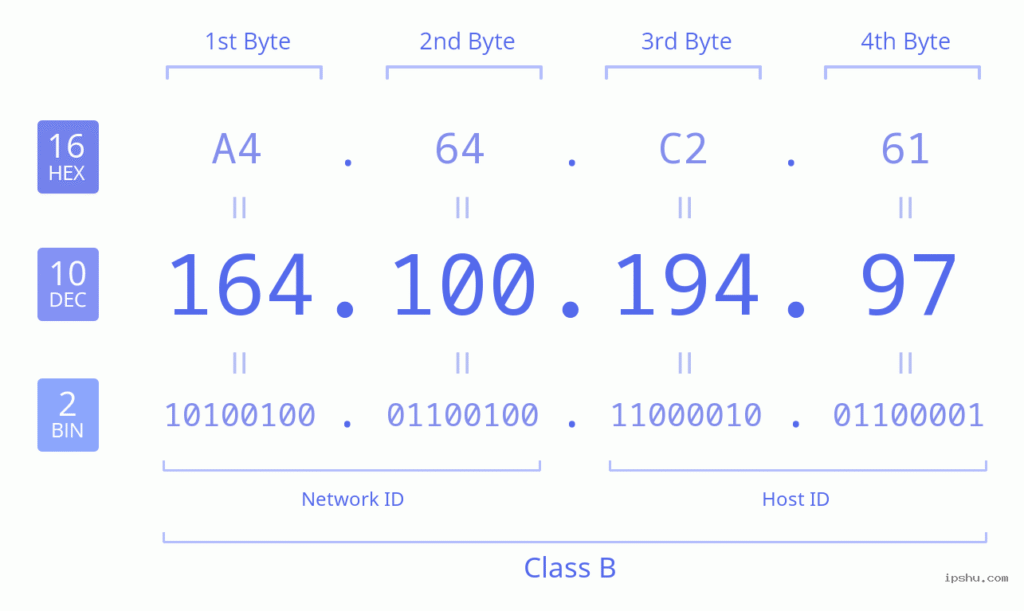
The Importance of Understanding IP Addresses and Ports
The digital world thrives on connectivity, and IP addresses such as 203.160.175.158.14001 are like the coordinates of that networked world. Every computer, smartphone, and web application relies on these identifiers to send and receive data accurately. Without such identifiers, communication over the internet would simply not be possible.
In technical terms, the IP address portion—203.160.175.158—uniquely identifies a host or network interface on the Internet. The extension “14001” typically refers to the port, which specifies the particular process or service being used. Together, 203.160.175.158.14001 represents a unique pathway for communication between devices, applications, and users.
Possible Uses of 203.160.175.158.14001
- Web Hosting and Access
Many web servers use combinations like 203.160.175.158.14001 to host websites and manage incoming traffic. The IP identifies the server, while the port number manages specific types of connections—such as secure communication, FTP transfers, or API requests. - Game Servers and Online Platforms
Online games and digital platforms often use custom port numbers like 14001 to separate their services. For example, multiplayer connections, chat systems, or file updates may all operate through different ports. Hence, 203.160.175.158.14001 could represent the entry point to a gaming server or a digital content platform. - Remote Access and Network Tools
IT professionals often use IP-port combinations like 203.160.175.158.14001 for remote access or testing. This can help them monitor network health, manage security, or configure virtual private networks (VPNs). - Data Transmission and APIs
In modern cloud systems, combinations like 203.160.175.158.14001 are frequently seen in API endpoints. These allow applications to communicate, share data, or automate services between servers and clients.
Security Aspects of 203.160.175.158.14001
While 203.160.175.158.14001 might simply represent a functional digital address, it is also important to understand the security implications of such addresses. Cybersecurity experts monitor IP and port combinations to prevent unauthorized access or hacking attempts.
For instance, attackers might scan ports like 14001 to find vulnerabilities in systems connected to 203.160.175.158.14001. Therefore, system administrators should ensure that their servers are protected with firewalls, encryption, and secure authentication methods. Maintaining proper digital hygiene can prevent breaches, protect sensitive data, and keep networks running smoothly.
How to Connect or Access 203.160.175.158.14001
Accessing a system via 203.160.175.158.14001 typically requires knowing what service is running on that port. If it’s a web-based application, entering the IP and port into a browser might lead to a login page or dashboard. In other cases, a specific program or client might be needed to connect.
However, users must exercise caution. Connecting to unknown addresses like 203.160.175.158.14001 without verifying their legitimacy can expose devices to risks such as malware or phishing. Always ensure that the address belongs to a trusted organization or verified source before accessing it.
The Role of 203.160.175.158.14001 in Digital Innovation
The digital revolution is powered by countless systems, each identified by unique combinations like 203.160.175.158.14001. As technology evolves, such identifiers enable seamless cloud computing, IoT communication, and global connectivity.
From web servers to gaming systems, 203.160.175.158.14001 represents the invisible threads that connect millions of users worldwide. Understanding these connections helps us appreciate the complexity and brilliance of modern networking technology.
Troubleshooting Issues Related to 203.160.175.158.14001
If you encounter errors while accessing 203.160.175.158.14001, the issue may lie in the network configuration or the device’s security settings. Common problems include:
- Firewall restrictions blocking port 14001
- Misconfigured DNS or routing tables
- Expired SSL certificates or insecure connections
- Temporary server downtime
In such cases, checking the IP through network tools like “ping,” “traceroute,” or “telnet” can help diagnose connectivity. If the issue persists, contacting the server administrator responsible for 203.160.175.158.14001 may resolve it.
The Future of IP and Port Combinations like 203.160.175.158.14001
As the Internet transitions toward IPv6 and more advanced security protocols, identifiers like 203.160.175.158.14001 will continue to evolve. New technologies will allow even greater customization, privacy, and efficiency in data routing. However, understanding the fundamentals of IP addressing will always remain essential for anyone involved in digital communication, cybersecurity, or IT management.
Conclusion
In summary, 203.160.175.158.14001 is far more than a random sequence of numbers—it represents a critical element of how modern digital systems function. Whether it’s facilitating web hosting, connecting online games, or enabling data exchanges, this combination illustrates the sophisticated infrastructure that underpins our online experiences.
By understanding 203.160.175.158.14001, individuals and organizations can gain valuable insight into the structure of the internet, the flow of data, and the importance of maintaining secure, reliable connections in an increasingly interconnected world.










Leave a Reply